Emulators such as BlueStacks, NoxPlayer, and LDPlayer allow you to run the Android version of Azur Lane directly on Windows or macOS. This approach provides the advantage of enhanced graphics, customizable controls, and better performance compared to many smartphones.
Azur Lane is a popular mobile game that blends side-scrolling shooter mechanics with strategic fleet management and anime-style characters. While originally designed for smartphones, many players want to enjoy Azur Lane on a bigger screen with better controls and performance. If you’re searching for a comprehensive guide on how to play Azur Lane on PC, you’re in the right place. This 2026 edition guide covers everything from system requirements and installation to performance optimization and emulator usage. Whether you’re a newcomer or a seasoned player switching to PC, these expert tips will help you get the best Azur Lane experience without lag or frustration.
What is Azur Lane?
Azur Lane is a side-scrolling shoot ’em up game combined with RPG elements and a gacha system. Developed by Chinese studios Shanghai Manjuu and Xiamen Yongshi, it features anthropomorphized warships from various navies as collectible characters. Players assemble fleets, engage in naval battles, and complete missions across multiple storylines.
The game stands out due to its engaging combat system, rich character designs, and a blend of strategy and action that appeals to both casual and hardcore gamers. It has gained a massive global following thanks to regular updates, events, and crossovers. More information about the game’s background and development can be found on Wikipedia.
Azur Lane’s appeal lies in its combination of real-time combat and fleet management, requiring players to think tactically while enjoying fast-paced gameplay. Its anime-inspired aesthetics and character interactions add depth and personality, making it a unique experience in the mobile gaming market.
Can You Play Azur Lane on PC?
Officially, Azur Lane was designed for mobile platforms like iOS and Android. However, the PC gaming community has long desired a way to play Azur Lane on a larger screen with keyboard and mouse controls. Although there is no native PC client released by the developers, you can play Azur Lane on PC using Android emulators.
Emulators such as BlueStacks, NoxPlayer, and LDPlayer allow you to run the Android version of Azur Lane directly on Windows or macOS. This approach provides the advantage of enhanced graphics, customizable controls, and better performance compared to many smartphones.
Playing Azur Lane on PC also opens up possibilities for smoother multitasking, streaming, and extended gameplay sessions without battery concerns. The emulator method is widely used and supported by the community, making it the most practical way to experience Azur Lane on Windows or Mac.
System Requirements for Azur Lane on PC
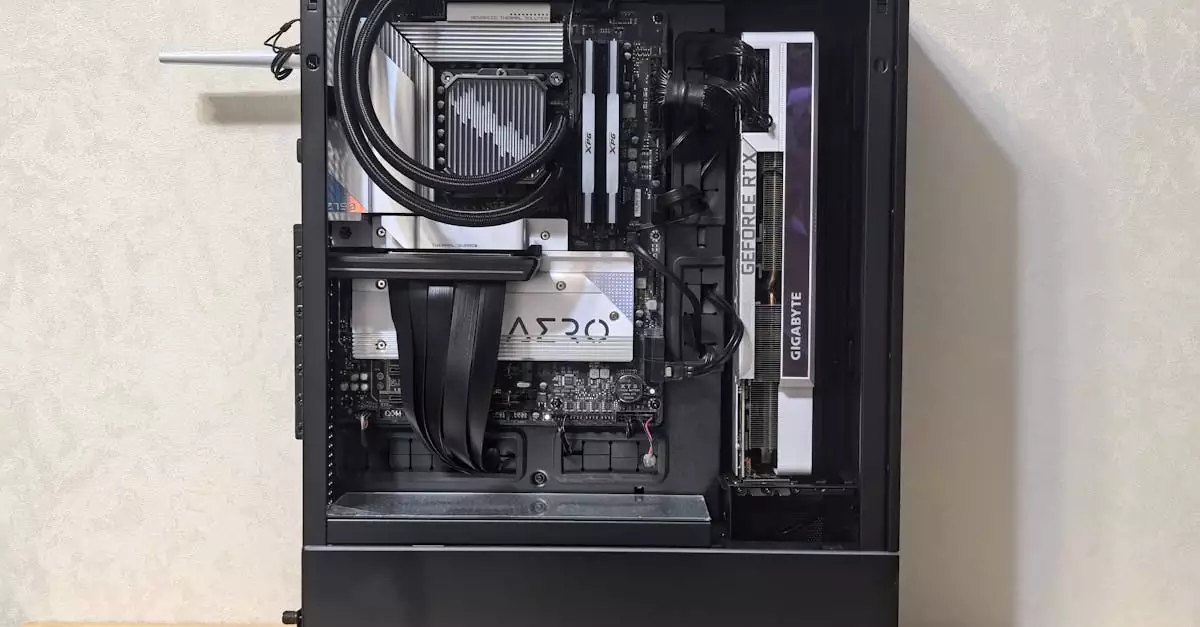
Since Azur Lane runs on PC through Android emulators, your system requirements depend largely on the emulator’s demands rather than a standalone PC client. However, to ensure smooth gameplay and avoid lag, your PC should meet or exceed the following specifications.
- Minimum Requirements: Intel Core i3 or equivalent, 4GB RAM, 10GB free disk space, DirectX 11 compatible GPU, Windows 7/8/10 64-bit.
- Recommended Requirements: Intel Core i5 or better, 8GB RAM, SSD storage, dedicated GPU (NVIDIA GTX 660 or AMD Radeon HD 7870 or better), Windows 10 64-bit.
Meeting the recommended specs helps you run both the emulator and Azur Lane smoothly, reducing input lag and improving frame rates. For Mac users, ensure your system supports the emulator you choose and has sufficient resources.
Keep in mind that emulator performance can vary based on your PC’s hardware and background applications. Closing unnecessary programs and updating drivers can enhance your experience significantly.
How to Download and Install Azur Lane on PC
Downloading Azur Lane on PC involves installing a reliable Android emulator first, then downloading the game through the Google Play Store within the emulator. Here’s a simple step-by-step guide:
- Download and install a trusted Android emulator such as BlueStacks.
- Launch the emulator and sign in with your Google account to access the Play Store.
- Search for “Azur Lane” in the Play Store and click Install.
- Once installed, open Azur Lane from the emulator’s app drawer and start playing.
BlueStacks is one of the most popular emulators due to its stability and compatibility with Azur Lane. It also provides built-in tools for customizing controls and settings, which can improve your gameplay experience.
Remember to keep both the emulator and Azur Lane updated to access the latest features and security patches. Some emulators offer performance modes specifically optimized for gaming, so explore those options for a better experience.
Best Settings for Optimal Performance
Configuring the right settings can significantly enhance your Azur Lane PC gameplay. Here are some recommended adjustments to balance visual quality and smooth performance:
- Graphics Quality: Set to Medium or High depending on your PC’s capabilities to avoid frame drops.
- Resolution: Match your monitor’s native resolution for the best visual clarity.
- Frame Rate: Enable 60 FPS if supported by your hardware and emulator.
- Emulator CPU & RAM Allocation: Allocate 2-4 CPU cores and 4GB or more RAM for smoother gameplay.
- Disable Background Apps: Close other programs to free up system resources.
In BlueStacks, you can access these settings under the “Engine” tab. Adjusting the performance mode to “High Performance” prioritizes game fluidity over other processes.
For controls, customize key mappings to replicate mobile gestures using your keyboard and mouse. This tailored setup improves reaction times and comfort during battles.
Using Emulators for Azur Lane on PC
Emulators are essential for playing Azur Lane on PC since no official desktop client exists. Popular choices include BlueStacks, NoxPlayer, and LDPlayer. Each offers unique features and performance optimizations:
- BlueStacks: Most widely used, great for stability and support, with built-in game controls.
- NoxPlayer: Lightweight and highly customizable, suitable for low-end PCs.
- LDPlayer: Focuses on gaming performance with good resource management.
Choosing the right emulator depends on your PC specs and personal preference. Testing different emulators can help determine which delivers the best Azur Lane PC performance for you.
Additionally, these emulators allow you to save multiple game accounts, use macros, and adjust screen sizes. They also support gamepad input if you prefer controller gameplay.
Troubleshooting Common Issues
While playing Azur Lane on PC via emulators is generally smooth, some common issues may arise. Here’s how to troubleshoot them:
- Lag or Stuttering: Lower graphics settings, allocate more CPU/RAM to the emulator, and close background applications.
- Game Not Launching: Update your emulator and graphics drivers; consider reinstalling the game.
- Controls Not Responding: Reconfigure key mappings or reset to default control settings in the emulator.
- Login Problems: Check your internet connection and try clearing the emulator cache.
For persistent issues, consulting the emulator’s support forums or Azur Lane communities can provide additional solutions. Regular updates from both the game and emulator developers also help reduce bugs and improve compatibility.
Tips for Smooth Gameplay on Low-End PCs
If you have a low-end PC and want to enjoy Azur Lane on Windows without lag, these tips can help optimize your experience:
- Use lightweight emulators like NoxPlayer with minimal background processes.
- Reduce in-game graphics quality to the lowest acceptable level.
- Set the emulator’s performance mode to prioritize speed over visuals.
- Increase virtual memory (paging file) on your PC to support emulator demands.
- Keep your system updated and perform regular disk cleanups.
Additionally, disabling unnecessary Windows visual effects and ensuring a stable internet connection can prevent gameplay interruptions. These adjustments enable smooth Azur Lane PC controls setup and reduce lag significantly.
Conclusion
Playing Azur Lane on PC is a rewarding experience that combines the game’s rich content with the benefits of larger screens, better controls, and enhanced performance. Although no official PC client exists, Android emulators provide a reliable method to enjoy Azur Lane on Windows or macOS. By meeting the recommended system requirements, optimizing emulator and game settings, and following our troubleshooting tips, you can achieve smooth, lag-free gameplay. Whether you have a high-end gaming rig or a modest PC, the right setup can transform your Azur Lane experience. Explore various emulators, customize controls, and stay updated on the latest patches to get the most out of your fleet battles in 2026 and beyond.
Frequently Asked Questions
Q: Is Azur Lane available natively on PC?
A: No, Azur Lane does not have a native PC version. Players can use Android emulators like BlueStacks to play the mobile version on PC.
Q: What are the minimum PC requirements for Azur Lane?
A: Minimum specs include an Intel Core i3, 4GB RAM, 10GB free disk space, and a DirectX 11 compatible GPU running Windows 7 or higher.
Q: Can I use any Android emulator to play Azur Lane on PC?
A: While many emulators work, BlueStacks, NoxPlayer, and LDPlayer are recommended for their stability and performance with Azur Lane.
Q: How do I optimize Azur Lane for better performance on PC?
A: Adjust graphics to medium or low, allocate more CPU/RAM to the emulator, close background apps, and enable 60 FPS if possible.
Q: Are there any official PC versions or clients for Azur Lane?
A: No official PC client exists; playing via Android emulators is the current standard method.
Q: What controls work best when playing Azur Lane on a computer?
A: Keyboard and mouse setups with customized key mappings provide the best control, allowing precise fleet management and combat actions.