Welcome to the ultimate guide for playing Assassin’s Creed Odyssey on PC. This expansive title, celebrated for its immersive world, rich storytelling, and dynamic combat, demands a powerful machine for the best experience. In this guide, we’ll delve into details like system requirements, graphics optimization tips, and troubleshooting common PC issues. Whether you’re equipped with a cutting-edge gaming rig or trying to run it on a budget setup, we’ve got you covered with practical advice and insights.
Minimum and Recommended System Requirements
To fully enjoy Assassin’s Creed Odyssey, it’s essential to review the assassins creed odyssey pc system requirements 2026. Here’s a breakdown of both minimum and recommended specs:
| Requirement | Minimum | Recommended |
|---|---|---|
| OS | Windows 7/8.1/10 | Windows 10 |
| Processor | Intel Core i5-2400 / AMD FX-6350 | Intel Core i7-3770 / AMD Ryzen 5 1600 |
| Memory | 8 GB RAM | 16 GB RAM |
| Graphics | NVIDIA GeForce GTX 660 / AMD Radeon HD 7870 | NVIDIA GeForce GTX 970 / AMD Radeon R9 290 |
| DirectX | Version 11 | Version 11 |
| Storage | 46 GB available space | 46 GB available space |
These requirements highlight the need for a balanced system. Notably, the recommended specs ensure a much smoother gameplay experience, especially in graphically intensive environments.
Optimizing Graphics Settings for Best Performance
Adjusting your assassins creed odyssey pc graphics settings can greatly enhance your gaming experience. Here’s how to fine-tune the settings for optimal performance:
- Lower Resolution: If you’re experiencing lag, reducing the resolution can significantly improve frame rates.
- Texture Quality: Set to Medium or Low if your GPU has limited VRAM.
- Shadow Quality: Shadows take a large toll on performance; setting this option to Low can help.
- Anti-Aliasing: This option can be turned off for a significant performance boost, especially on lower-end setups.
- V-Sync: Disable V-Sync to prevent input lag, especially if you’re getting high FPS.
Experimenting with these settings can culminate in a smoother visual performance and improved gameplay experience, making your journey through Ancient Greece much more enjoyable.
Tips to Fix Common PC Issues and Lag
Experiencing assassins creed odyssey pc lag fix problems? Here are some common solutions:
- Background Processes: Close unnecessary applications running in the background to free up resources.
- Keep Drivers Updated: Ensure your graphics drivers are up to date for optimal performance.
- Adjust In-Game Settings: Lowering settings like Draw Distance and Environmental Detail can help reduce lag.
- Use SSD Storage: If possible, install the game on a Solid State Drive to reduce loading times.
- Verify Game Files: Use the game client (like Uplay or Steam) to verify file integrity.
Implementing these tips can lead to a more fluid gaming experience, ensuring you spend less time troubleshooting and more time adventuring.
How to Run Assassin’s Creed Odyssey on Low-End PCs
If your setup doesn’t meet the recommended requirements, fret not! Here are ways to successfully how to run assassins creed odyssey on low end pc:
- Use Lower Settings: As discussed earlier, lower graphical settings will significantly improve performance.
- Optimize Windows Performance: Set your Windows power plan to High Performance.
- Upgrade RAM: If your system allows, increasing RAM can help with overall performance.
- Close Background apps: Stop any resource-intensive applications before launching the game.
- Game Mode: Use Windows Game Mode to prioritize your gaming experience.
Using these strategies, even a modest PC can deliver an enjoyable atmosphere for exploring rich narratives and stunning landscapes found in Assassin’s Creed Odyssey.
Best PC Hardware for Assassin’s Creed Odyssey
To ensure the best experience in Assassin’s Creed Odyssey on PC, consider investing in essential hardware components:
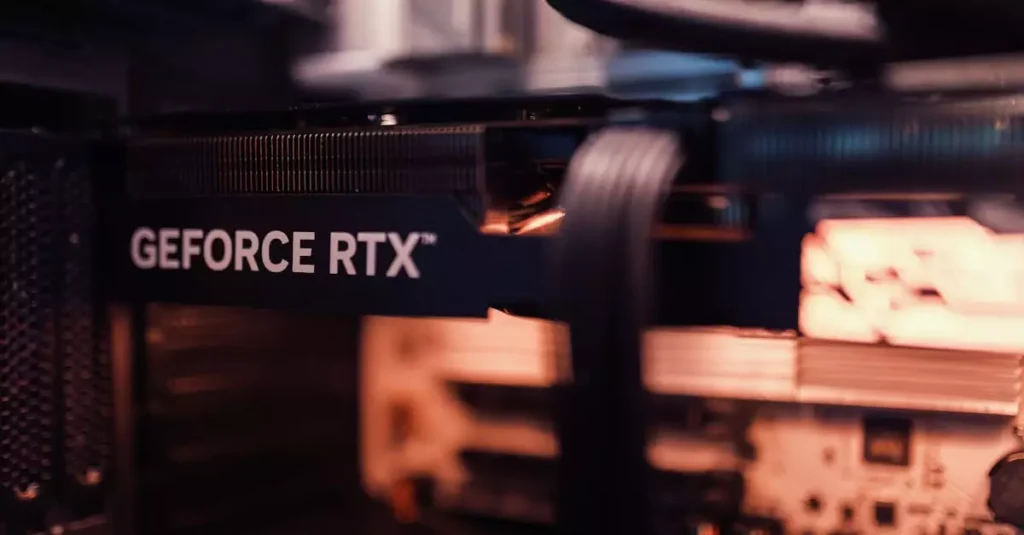
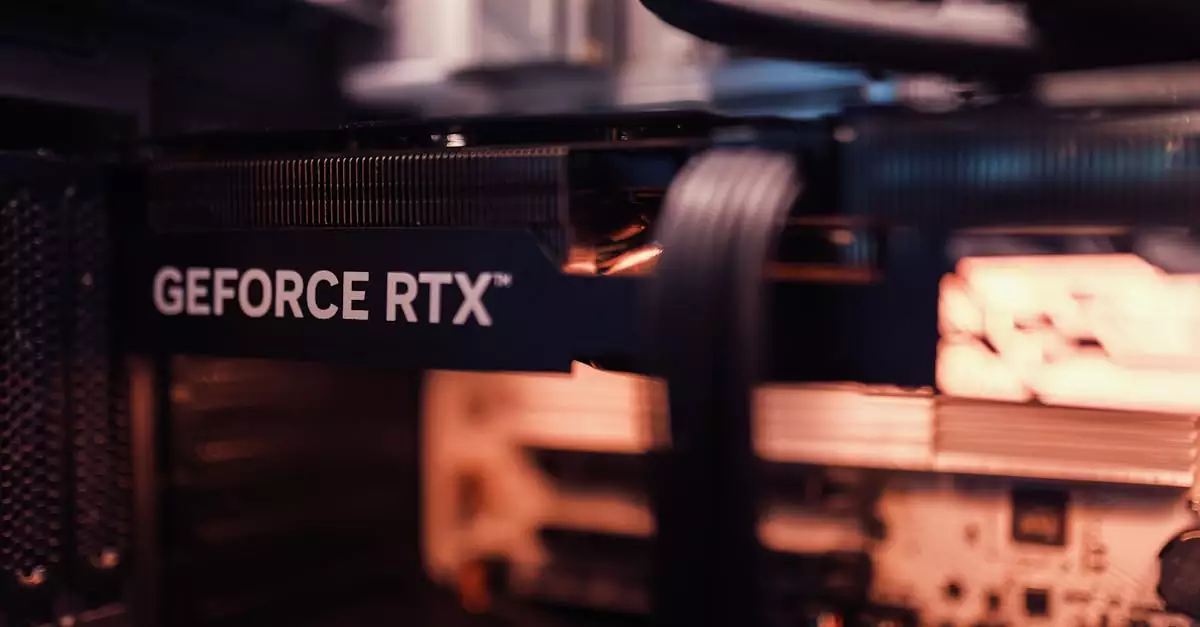
- Graphics Card: A powerful GPU like an NVIDIA GeForce RTX 3060 will deliver excellent performance.
- Processor: An Intel Core i7 or AMD Ryzen 7 will provide the necessary processing power.
- RAM: 16GB is ideal for smoother multitasking and better game performance.
- Storage: SSDs not only improve load times but can also reduce texture pop-ins.
- Monitor: A monitor with a refresh rate of at least 60Hz will significantly enhance graphics clarity.
This combination of quality hardware will maximize your enjoyment of the game’s intricate visuals and dynamic gameplay mechanics.
Frequently Asked Questions About PC Gameplay
Q: What are the minimum PC specs to run Assassin’s Creed Odyssey?
A: The minimum requirements include an Intel Core i5-2400 or AMD FX-6350, 8GB RAM, and a GTX 660 or equivalent graphics card.
Q: How can I improve FPS in Assassin’s Creed Odyssey on PC?
A: Lowering graphical settings, ensuring drivers are updated, and closing background processes can significantly boost FPS.
Q: Does Assassin’s Creed Odyssey support ultra-wide monitors on PC?
A: Yes, the game supports ultra-wide resolutions, enhancing your gaming experience by providing a more immersive field of view.
Q: What settings should I adjust for better performance?
A: Focus on lowering settings like Texture Quality, Shadows, and Anti-Aliasing for improved performance while maintaining visuals.
Q: Can I play Assassin’s Creed Odyssey on a laptop with integrated graphics?
A: While it may run, the experience will be limited. For optimal performance, a dedicated GPU is recommended.
Conclusion
In conclusion, mastering Assassin’s Creed Odyssey on PC is within your reach, regardless of your hardware. By understanding the minimum requirements, adjusting graphics settings, and applying performance tips, you can optimize your gaming experience. Whether you’re exploring Athens or sailing the Aegean, a few tweaks can lead to hours of immersive gameplay. Follow this guide to make the most of your journey through Ancient Greece!