Overwatch PC continues to captivate gamers worldwide with its dynamic gameplay, diverse heroes, and competitive scene. Whether you’re a seasoned player or just starting, understanding how to optimize Overwatch on PC can significantly enhance your experience. In this ultimate guide to Overwatch PC for 2026, we cover everything from system requirements and performance tips to the latest updates and competitive strategies. Dive in to learn how to get the most out of your setup, keep up with the newest patches, and sharpen your skills in this fast-paced shooter. With insights from experienced players and detailed explanations, this guide aims to be your go-to resource for all things Overwatch on PC.

Overview of Overwatch on PC
Overwatch on PC offers a vibrant and competitive multiplayer experience where teamwork and strategy are key. Developed by Blizzard Entertainment, the game features a roster of unique heroes, each with distinct abilities that cater to various playstyles. The PC platform remains the preferred choice for many players due to its superior control precision and customization options compared to consoles.
Playing Overwatch on PC allows access to high frame rates, better graphics, and a thriving community that participates in ranked and casual matches. The game has evolved significantly since its launch, with regular updates introducing new heroes, maps, and balance changes to keep gameplay fresh and engaging. Additionally, the PC version supports a wide range of peripherals, including mechanical keyboards and gaming mice, which can provide a competitive edge.
For newcomers, Overwatch’s intuitive design makes it accessible while offering depth for veterans who want to master intricate tactics. The game’s popularity also fuels a robust esports scene, making it a staple in competitive gaming communities worldwide. Overall, Overwatch PC combines fast-paced action with strategic depth, creating a rewarding experience for all types of players.
Minimum and Recommended System Requirements
To ensure smooth gameplay and avoid frustrating lag or crashes, it’s essential to meet Overwatch PC system requirements 2026. Blizzard has updated these specs to accommodate new content and graphical improvements while maintaining accessibility for a wide range of hardware.
The minimum specs are designed to allow the game to run at low settings with acceptable performance. However, for an optimal experience, especially in competitive play, the recommended specs provide a much smoother and visually appealing environment.
| Specification | Minimum | Recommended |
|---|---|---|
| OS | Windows 10 64-bit | Windows 10/11 64-bit |
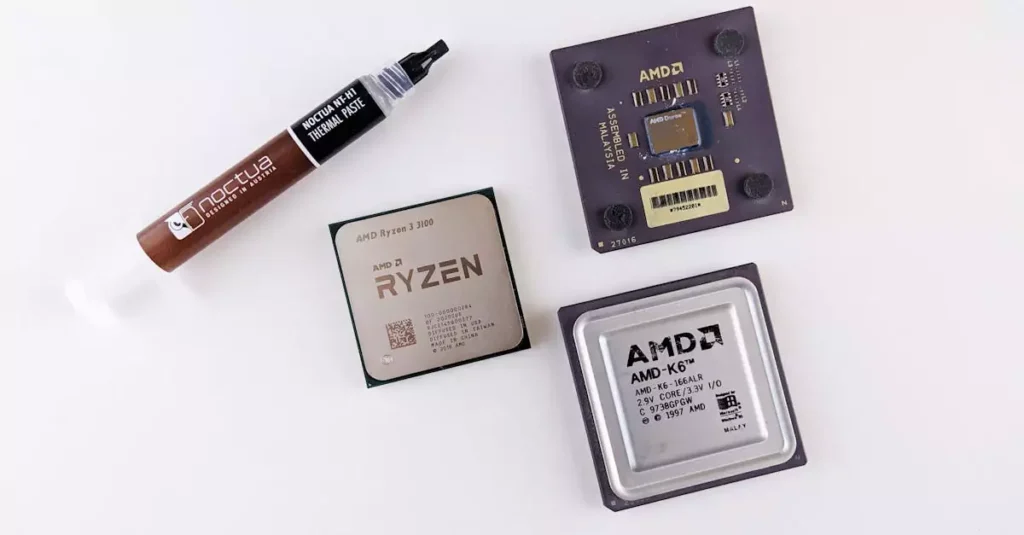
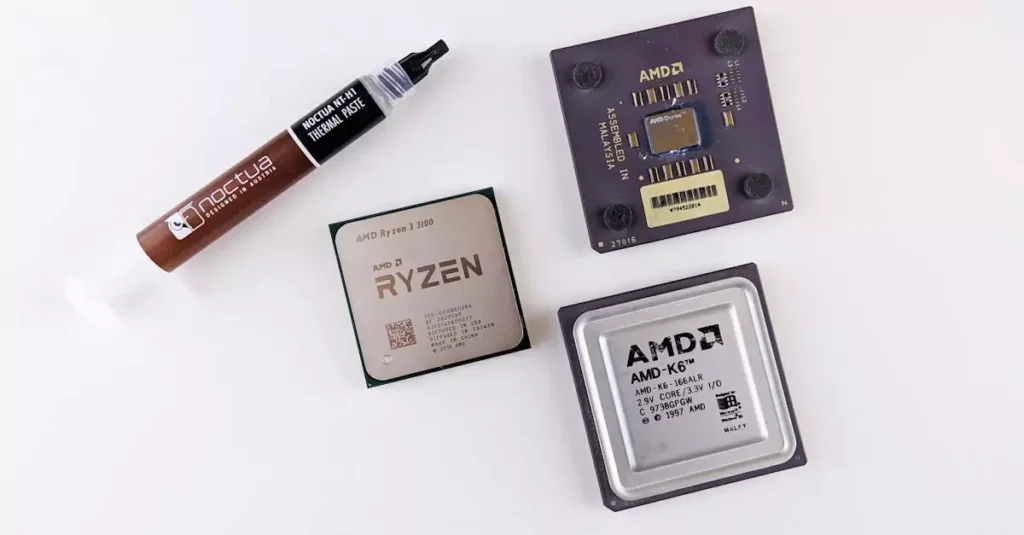
| Processor | Intel Core i3 or AMD Phenom X3 8650 | Intel Core i5 or AMD Ryzen 5 |
| RAM | 6 GB | 16 GB |
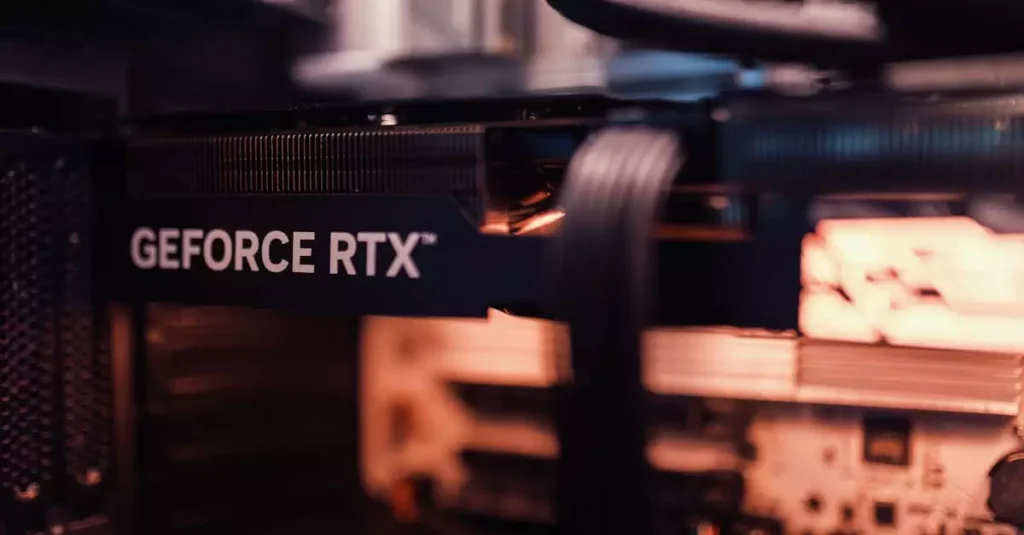
| Graphics | NVIDIA GeForce GTX 600 series or AMD Radeon HD 7000 series | NVIDIA GeForce GTX 1060 or AMD Radeon RX 580 |
| Storage | 50 GB available space | 50 GB SSD recommended |
| Network | Broadband Internet connection | Broadband Internet connection |
Meeting the recommended system requirements not only improves frame rates but also enhances visual fidelity and responsiveness, which are critical in fast-paced matches. Players with lower-end PCs should still be able to enjoy the game by adjusting settings, but upgrading hardware will provide a more consistent experience.
How to Optimize Overwatch for PC Performance
Optimizing Overwatch on PC involves a combination of in-game settings adjustments and system-level tweaks. These optimizations can help you achieve higher frame rates, reduce input lag, and maintain stable performance during intense matches.
Start by updating your graphics drivers to the latest version, as manufacturers regularly release updates that improve game compatibility and performance. Next, ensure your Windows operating system is up to date, which can fix underlying issues affecting game stability.
Within Overwatch, lowering certain graphics settings such as shadows, reflections, and anti-aliasing can significantly boost performance without drastically reducing visual quality. Disabling background applications and overlays can also free up system resources, allowing Overwatch to run more smoothly.
For players with limited hardware, adjusting the resolution scale can provide a good balance between clarity and frame rate. Enabling the game’s built-in frame rate cap helps maintain consistency, avoiding sudden drops that can disrupt gameplay.
Additionally, using performance monitoring tools can help identify bottlenecks in your system. If CPU or GPU usage spikes during gameplay, consider closing unnecessary programs or upgrading components. Finally, tweaking network settings, such as enabling low latency modes, can reduce lag and improve online responsiveness.
Best Graphics Settings for Smooth Gameplay
Choosing the best settings for Overwatch PC is crucial to balance visual quality and smooth gameplay. The goal is to maintain a high and stable frame rate, ideally above 60 FPS, which improves responsiveness and reduces input delay during matches.
Here’s a breakdown of recommended settings for smooth gameplay:
- Display Mode: Fullscreen (reduces input lag)
- Resolution: Native monitor resolution or slightly lower if performance is an issue
- V-Sync: Off (to minimize input lag)
- Graphics Quality: Medium or Custom, with shadows and reflections set to low or off
- Texture Quality: Medium (balances visuals and performance)
- Anti-Aliasing: Off or low (reduces blur without heavy performance cost)
- Render Scale: 100% or slightly reduced for lower-end systems
- Dynamic Reflections: Off (improves FPS)
These settings help maintain a consistent frame rate, especially in competitive matches where every millisecond counts. Players with high-end PCs can increase texture quality and effects, but it’s recommended to keep shadows and reflections low to avoid performance dips during team fights.
Latest Updates and Patch Notes for Overwatch PC
Staying informed about the latest Overwatch PC update guide is vital for adapting to gameplay changes and new features. Blizzard releases frequent patches that include hero balancing, bug fixes, and occasionally new content such as maps or events.
For 2026, updates have focused on improving matchmaking algorithms, refining hero abilities for better competitive balance, and enhancing anti-cheat measures to maintain fair play. Major patches often introduce seasonal events that add new skins, modes, and challenges to keep the community engaged.
Players can find official patch notes on Blizzard’s Overwatch website or through the game’s launcher. These notes provide detailed explanations of changes, allowing players to adjust their strategies accordingly. For example, a recent buff to a popular tank hero might shift team compositions in competitive play.
Regularly updating your game ensures you benefit from performance improvements and security patches. Additionally, participating in test realms or beta versions can give early access to upcoming features and allow you to provide feedback to developers.
Competitive Tips for Overwatch PC Players
Competing in Overwatch PC’s ranked mode demands both mechanical skill and strategic thinking. To climb the ranks, players should focus on mastering a pool of heroes that complement their team composition and personal playstyle.
Communication is key—using voice chat or quick commands helps coordinate ultimates and positioning. Understanding map layouts and objective timings allows for better rotations and ambushes. Practicing aim regularly with training tools can improve precision, which is crucial in high-level matches.
Another vital tip is to adapt to meta shifts caused by patches. Staying updated on hero changes helps players anticipate opponents’ strategies and adjust accordingly. Watching professional matches or streams can provide insights into advanced tactics and positioning.
Managing stress and maintaining a positive mindset also contribute to better performance. Taking breaks between matches prevents burnout and keeps focus sharp. Finally, analyzing your gameplay through replays can identify mistakes and areas for improvement.
Common Issues and How to Fix Them
Overwatch PC players sometimes encounter issues such as crashes, low frame rates, or connectivity problems. Fortunately, many of these can be resolved with straightforward troubleshooting steps.
If the game crashes or fails to launch, verifying the integrity of game files through the Blizzard launcher often fixes corrupted files. Updating drivers and Windows can also resolve compatibility issues.
For performance drops, lowering graphics settings and closing background applications can help. Checking for overheating components and cleaning dust from hardware ensures stable operation.
Network issues like high ping or disconnections may be mitigated by switching to a wired Ethernet connection, resetting your router, or selecting closer game servers.
In cases of persistent bugs, consulting Blizzard’s official support forums or submitting a ticket can provide tailored assistance. Keeping your system optimized and regularly updated reduces the likelihood of encountering these problems.
Where to Download and Buy Overwatch for PC
Overwatch PC is available for purchase and download through Blizzard’s official platform, Battle.net. This ensures you receive authentic game files, automatic updates, and access to Blizzard’s support services.
To get started, visit the official Overwatch page on Blizzard’s website and create a Battle.net account if you don’t already have one. After purchasing, the game can be downloaded and installed via the Battle.net desktop app, which manages updates and game launches efficiently.
Occasionally, Blizzard offers discounts or bundles during special events, so keeping an eye on their news page can help you snag a deal. Avoid unauthorized third-party sellers to prevent issues with counterfeit keys or account security.
For more information, check out the official Overwatch site at Blizzard Overwatch and stay updated with news via Overwatch News.
Conclusion
Mastering Overwatch PC in 2026 involves understanding the game’s evolving system requirements, optimizing settings for smooth gameplay, and staying current with updates and competitive strategies. Whether you’re aiming to improve your performance or simply enjoy the vibrant world of Overwatch, this guide provides practical insights backed by real gameplay experience. From hardware considerations to tactical tips, every aspect plays a role in elevating your gaming sessions. By following these recommendations, you can ensure a responsive, enjoyable, and competitive Overwatch experience on PC. Stay informed, practice consistently, and immerse yourself in one of the most exciting team shooters available today.
Frequently Asked Questions
Q: What are the minimum system requirements for Overwatch on PC?
A: The minimum system requirements include a Windows 10 64-bit OS, Intel Core i3 or AMD Phenom X3 8650 processor, 6 GB RAM, and an NVIDIA GeForce GTX 600 series or AMD Radeon HD 7000 series graphics card. These specs allow the game to run at low settings with stable performance.
Q: How can I improve Overwatch performance on a low-end PC?
A: To boost performance on a low-end PC, lower in-game graphics settings such as shadows, reflections, and anti-aliasing. Close unnecessary background applications, update your drivers, and consider reducing the resolution scale. These steps help maintain higher frame rates and reduce lag.
Q: Where can I download official Overwatch patches and updates?
A: Official patches and updates for Overwatch PC are delivered through Blizzard’s Battle.net launcher. You can also find detailed patch notes and news on the Overwatch News page.
Q: What are the best settings for competitive Overwatch gameplay on PC?
A: Competitive players should use fullscreen mode at native resolution, disable V-Sync to reduce input lag, and set graphics to medium or custom with shadows and reflections off. Maintaining a stable frame rate above 60 FPS is crucial for responsiveness.
Q: Is Overwatch free to play on PC?
A: Overwatch is not free to play on PC. It must be purchased through Blizzard’s Battle.net platform, though the company occasionally offers free trial periods or events.
Q: Can I play Overwatch on PC with a controller?
A: Yes, Overwatch PC supports controller input. However, most competitive players prefer mouse and keyboard for greater precision and faster reaction times.